
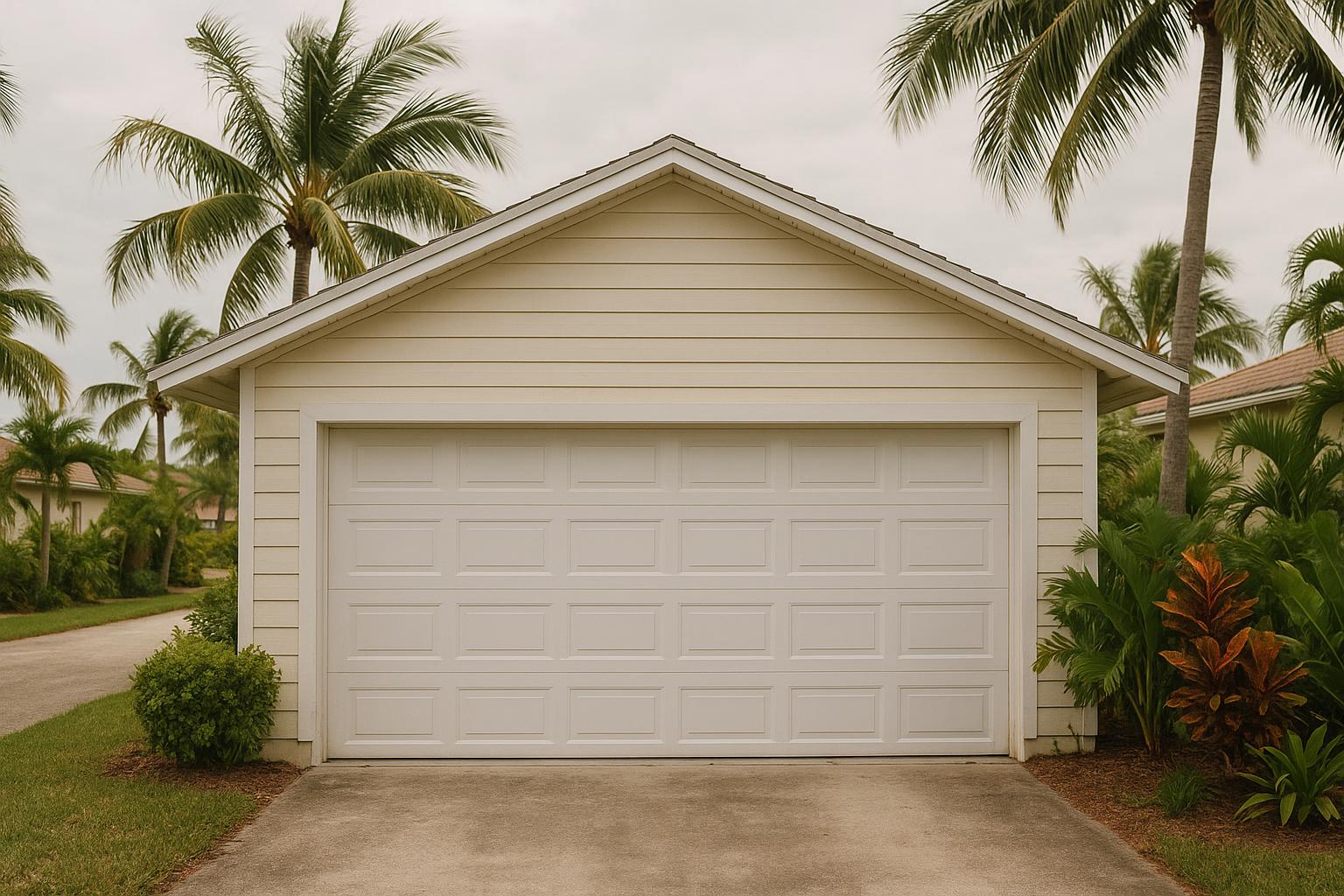
Your Garage Door vs. the Daytona Beach Climate
There's no question that living in Daytona Beach comes with incredible perks — beautiful beaches, warm weather, and a laid-back lifestyle. But the same coastal environment that makes this area so appealing can take a serious toll on your garage door. From salt air corrosion to hurricane-force winds, your garage door faces challenges that homeowners in landlocked areas simply don't deal with.
If you've noticed rust forming on your springs, tracks that seem to stick more than they used to, or weatherstripping that's cracking and peeling, the coastal climate is likely the culprit. Understanding how these environmental factors affect your garage door — and what you can do about it — can save you thousands of dollars in premature replacements and emergency repairs.
Salt Air and Corrosion: The Silent Garage Door Killer
One of the biggest threats to garage doors in Daytona Beach and the surrounding coastal communities like Daytona Beach Shores and Ormond Beach is salt air. The ocean breeze carries microscopic salt particles that settle on every metal surface of your garage door system, including:
- Torsion and extension springs
- Hinges and rollers
- Tracks and brackets
- The garage door opener chain or screw drive
- Metal door panels (especially on steel doors)
Over time, this salt exposure causes oxidation and rust. Corroded springs are weaker and more prone to snapping without warning. Rusted tracks create friction that forces your opener to work harder, shortening its lifespan. And once rust takes hold on steel door panels, it spreads quickly and compromises the structural integrity of the door itself.
What You Can Do
Regular cleaning is your first line of defense. Washing your garage door and its hardware with fresh water every few weeks helps remove salt deposits before they cause damage. A mild soap solution works well for the door panels. For metal components like springs and tracks, applying a silicone-based lubricant every three to four months creates a protective barrier against moisture and salt.
If you're in the market for a new garage door, consider aluminum or fiberglass options. These materials are naturally more resistant to corrosion than traditional steel, making them an excellent choice for homes close to the coast in areas like Port Orange and South Daytona.
Humidity and Its Impact on Garage Door Components
Daytona Beach's humidity regularly hovers between 70% and 90%, especially during the summer months. This constant moisture in the air affects garage doors in several ways.
For wooden garage doors, high humidity causes the wood to swell. This can lead to the door sticking in its tracks, creating gaps in the seal, or warping over time. If you have a wooden garage door, you may notice it operates differently depending on the season — sluggish and tight in the humid summer, then looser in the drier winter months.
Even non-wooden doors aren't immune. Humidity accelerates rust formation on metal parts and can cause electrical components in your garage door opener to malfunction. Moisture can seep into the opener's circuit board, leading to intermittent operation or complete failure.
What You Can Do
Proper ventilation in your garage helps reduce trapped humidity. If your garage lacks windows or vents, a small dehumidifier can make a significant difference. For wooden doors, keeping up with paint or sealant applications is essential — these coatings act as a moisture barrier that prevents swelling and warping.
Scheduling professional maintenance at least once a year allows a technician to inspect electrical connections, lubricate moving parts, and identify early signs of humidity-related damage before they become expensive problems.
Storm Season and Wind-Rated Garage Doors
Living in Florida means hurricane season is a fact of life from June through November. Your garage door is the largest opening in your home, and it's often the most vulnerable point during a storm. If a garage door fails during high winds, the sudden change in pressure inside your home can cause catastrophic structural damage, including roof failure.
Many older homes in Daytona Beach and Holly Hill still have garage doors that were installed before modern wind-load requirements were updated. These doors may not be rated to withstand the wind speeds that hurricanes and tropical storms bring to our area.
What You Can Do
If your garage door is more than 15 years old, it's worth having it inspected to determine whether it meets current Florida building codes for wind resistance. Upgrading to a wind-rated garage door is one of the smartest investments a Daytona Beach homeowner can make — not only for safety but also for insurance purposes. Many insurance providers offer premium discounts for homes with impact-rated garage doors.
For homeowners who aren't ready for a full replacement, reinforcement kits are available that add horizontal bracing to your existing door. While not as effective as a purpose-built wind-rated door, they provide an added layer of protection during storm season.
UV Exposure and Fading
Florida's intense sunshine is another factor that affects garage doors year-round. Prolonged UV exposure causes paint to fade, vinyl to become brittle, and weatherstripping to crack and deteriorate. A garage door that looked great when it was installed five years ago can look washed out and worn if it faces direct sun for most of the day.
Fading isn't just a cosmetic issue. When paint breaks down, it exposes the underlying material to moisture and salt air, accelerating corrosion. Cracked weatherstripping allows water, insects, and debris into your garage, reducing energy efficiency and potentially causing water damage.
What You Can Do
Choose lighter paint colors for your garage door, as they absorb less heat and tend to resist fading longer. UV-resistant paint and finishes are also available and worth the investment for south- and west-facing garage doors that get the most sun exposure.
Inspect your weatherstripping at least twice a year and replace it as soon as you notice cracking or gaps. This is a relatively inexpensive fix that pays for itself in energy savings and protection.
The Value of Preventive Maintenance in a Coastal Climate
The common thread through all of these issues is that preventive maintenance makes a dramatic difference. A garage door that might last 20 to 25 years in a dry, inland climate may only last 12 to 15 years in a coastal environment — unless it's properly maintained.
A professional maintenance visit typically includes lubricating all moving parts, tightening hardware, inspecting springs and cables for wear, testing the balance and alignment of the door, and checking the opener's safety features. For homes in Daytona Beach and the surrounding areas, we recommend scheduling this service at least once a year, ideally before hurricane season begins.
At Daytona Beach Garage Door, we understand the specific challenges that our local climate presents. Whether you need a routine tune-up, spring replacement, or a full garage door installation built to handle coastal conditions, our team is here to help. We serve homeowners and businesses throughout Daytona Beach, Ormond Beach, Port Orange, South Daytona, Holly Hill, and Daytona Beach Shores.
Don't wait for rust, a broken spring, or a storm to remind you that your garage door needs attention. Contact us today to schedule a maintenance visit or free consultation and keep your garage door running smoothly no matter what the weather throws at it.