
That Loud Garage Door Isn't Just Annoying — It Might Be a Warning
If your garage door sounds like a freight train every time it opens or closes, you're not alone. A noisy garage door is one of the most common complaints we hear from homeowners in Daytona Beach, and it's easy to understand why. Whether you're heading out early in the morning or coming home late at night, a loud, grinding, or squealing garage door can wake up the whole house — and your neighbors.
But here's the thing most people don't realize: that noise isn't just an inconvenience. In many cases, it's your garage door telling you something is wrong. Ignoring it can lead to bigger, more expensive problems down the road. The good news is that most causes of a noisy garage door are fixable, and some you can even address yourself.
Let's break down the most common reasons your garage door is making a racket and what you can do about each one.
Common Causes of a Noisy Garage Door
1. Worn or Dry Rollers
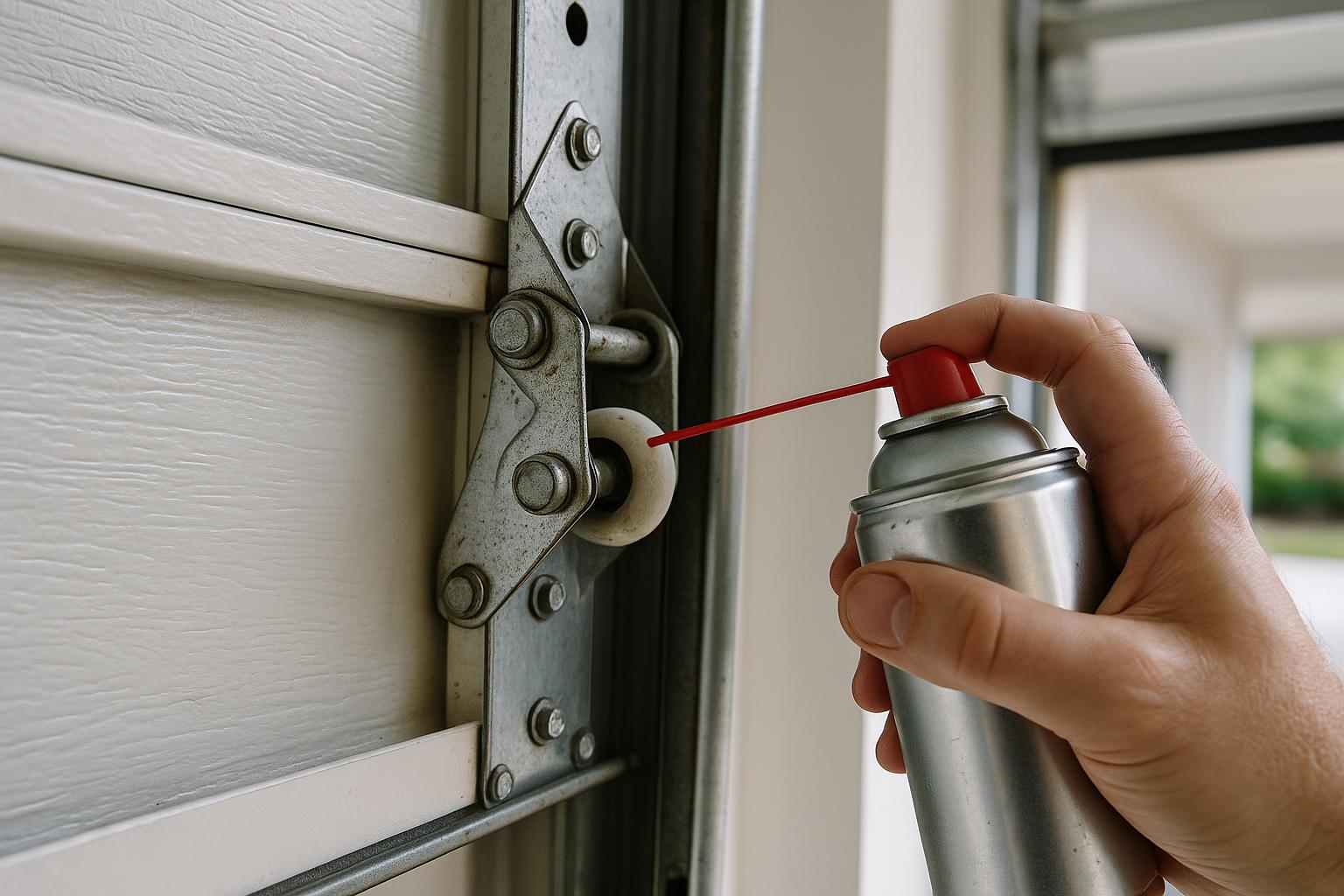
Garage door rollers guide the door along the tracks as it opens and closes. Over time, these rollers wear down, develop flat spots, or simply dry out. Metal rollers are especially prone to creating a loud grinding or squealing noise when they lose lubrication.
The fix: Applying a garage door-specific lubricant (not WD-40, which is a solvent, not a lubricant) to the rollers can sometimes quiet things down. However, if the rollers are visibly worn, cracked, or chipped, they need to be replaced. Upgrading from steel rollers to nylon rollers is one of the most effective ways to reduce garage door noise. Nylon rollers operate much more quietly and don't require as much maintenance.
2. Loose Hardware
Your garage door moves up and down hundreds of times a year. All that vibration gradually loosens nuts, bolts, and brackets throughout the system. Loose hardware creates a rattling or vibrating sound that can be surprisingly loud, especially in an attached garage where the sound travels through the walls of your home.
The fix: Grab a socket wrench and tighten all the bolts and nuts on the door and the track system. Pay special attention to the hinges, roller brackets, and the bolts that secure the track to the wall and ceiling. Be careful not to overtighten — snug is good enough.
3. Unlubricated Moving Parts
Beyond the rollers, your garage door has several other moving parts that need regular lubrication, including the hinges, the torsion spring, and the bearing plates. When these parts run dry, you'll hear squeaking, grinding, or scraping sounds.
The fix: Use a silicone-based or lithium-based garage door lubricant on all moving metal parts. Spray the hinges where they pivot, the torsion spring coils, the bearing plates on either side of the spring, and the lock mechanism. Do this every six months for best results — and more often if you live close to the coast here in Daytona Beach, where salt air can accelerate corrosion and dry out components faster.
4. Misaligned or Damaged Tracks
If the metal tracks that guide your garage door become bent, dented, or misaligned, the door can scrape, bang, or grind as it moves. You might also notice the door hesitating or jerking during operation.
The fix: Visually inspect the tracks on both sides of the door. Look for gaps between the rollers and the track, visible bends, or debris stuck in the track. Minor alignment issues can sometimes be corrected by loosening the track brackets, gently tapping the track back into position, and retightening. However, significantly bent or damaged tracks should be handled by a professional to avoid creating a safety hazard.
5. An Aging or Vibrating Garage Door Opener
If the noise seems to come from the opener unit itself rather than the door, the problem could be with the motor, the drive mechanism, or the mounting. Chain-drive openers are the loudest type of garage door opener, and they only get noisier as they age. An opener that isn't securely mounted to the ceiling can also amplify vibrations throughout your garage.
The fix: If your chain-drive opener is getting old and excessively loud, consider upgrading to a belt-drive opener. Belt-drive systems use a reinforced rubber belt instead of a metal chain, making them significantly quieter — a popular upgrade for homeowners with bedrooms above or next to the garage. If replacement isn't in the budget right now, check that the mounting brackets are tight and consider adding vibration isolators between the opener and the ceiling.
6. Worn or Unbalanced Torsion Springs
Torsion springs bear the full weight of your garage door. When they start to wear out or lose their balance, the opener has to work harder, which can create straining, popping, or banging sounds. An unbalanced door may also slam down the last few inches instead of closing smoothly.
The fix: Spring work is dangerous and should always be handled by a trained technician. Torsion springs are under extreme tension, and attempting a DIY repair can result in serious injury. If you suspect your springs are the source of the noise, call a professional for an inspection.
When to Call a Professional
Some noise fixes — like lubrication and tightening hardware — are simple enough for most homeowners to handle on their own. But there are situations where calling in a professional is the smart move:
- The noise started suddenly and is accompanied by the door not opening or closing properly
- You see visible damage to the springs, cables, or tracks
- The door feels heavy or unbalanced when you try to lift it manually
- You've lubricated and tightened everything, but the noise persists
- Your garage door opener is more than 15 years old and struggling
At Daytona Beach Garage Door, we diagnose noisy garage doors every week. Sometimes it's a quick fix. Other times, it reveals a component that's about to fail. Either way, catching it early saves you money and prevents the inconvenience of a door that stops working entirely.
Preventive Maintenance Keeps Things Quiet
The best way to prevent a noisy garage door is to stay ahead of wear and tear with regular maintenance. A professional tune-up once or twice a year includes lubrication, hardware inspection, balance testing, and a full safety check. It's a small investment that extends the life of your door and keeps it operating quietly and safely.
This is especially important for homeowners in the Daytona Beach area, where humidity and coastal conditions put extra stress on garage door components. Routine maintenance catches corrosion, rust, and wear before they turn into noisy — and expensive — problems.
Enjoy a Quieter Garage Door
A noisy garage door doesn't have to be something you just live with. Whether the solution is a can of lubricant, a set of nylon rollers, or a new belt-drive opener, there's almost always a way to bring the volume down. And if the noise is a symptom of something more serious, addressing it now can save you from a bigger headache later.
If your garage door in Daytona Beach has been getting louder and you're not sure what's causing it, give us a call. We'll take a look, let you know exactly what's going on, and get it running quietly again.